
The Story Of The Peel
Why The Peel Needs Protection

Read The Final Plan

Protect The Peel
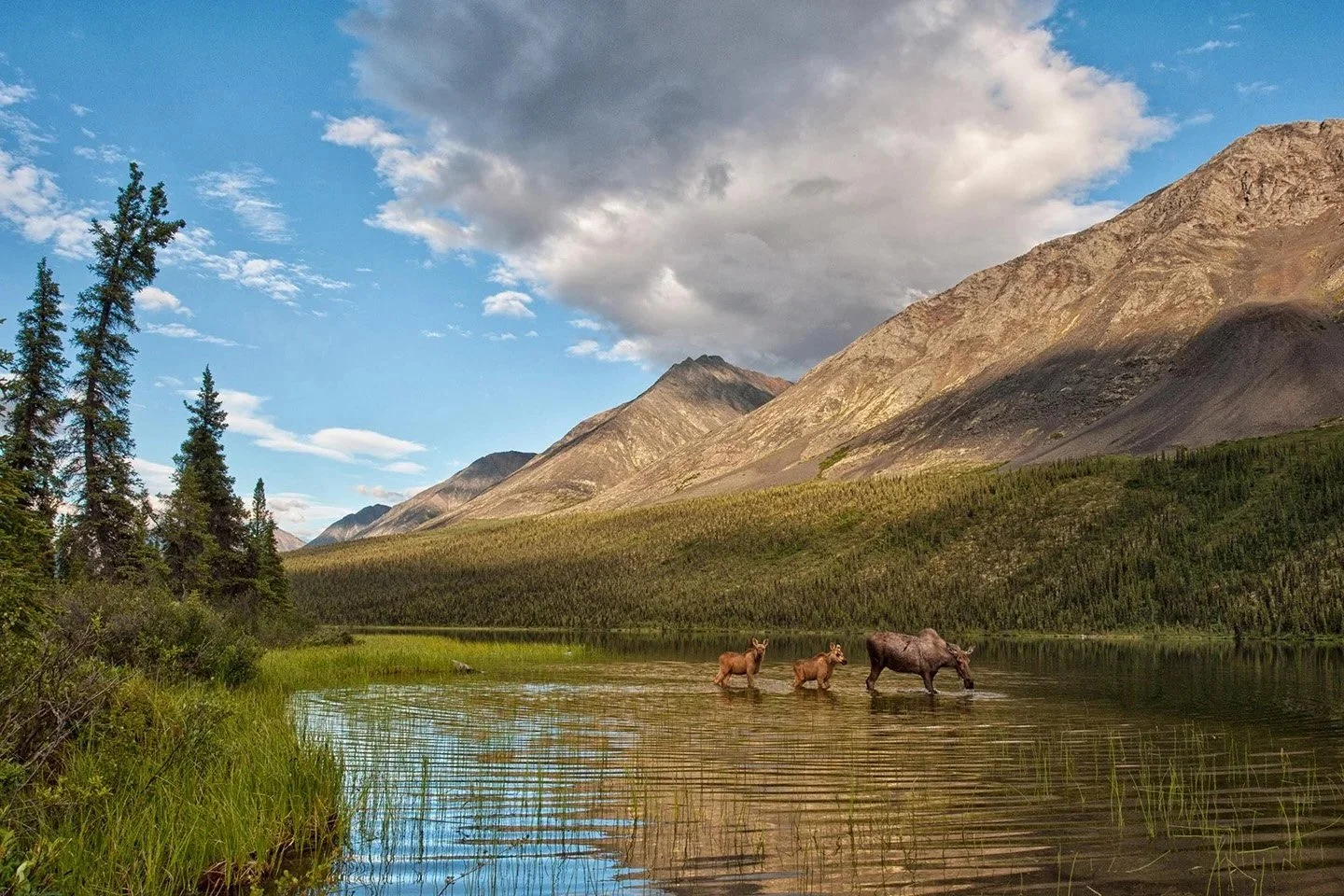
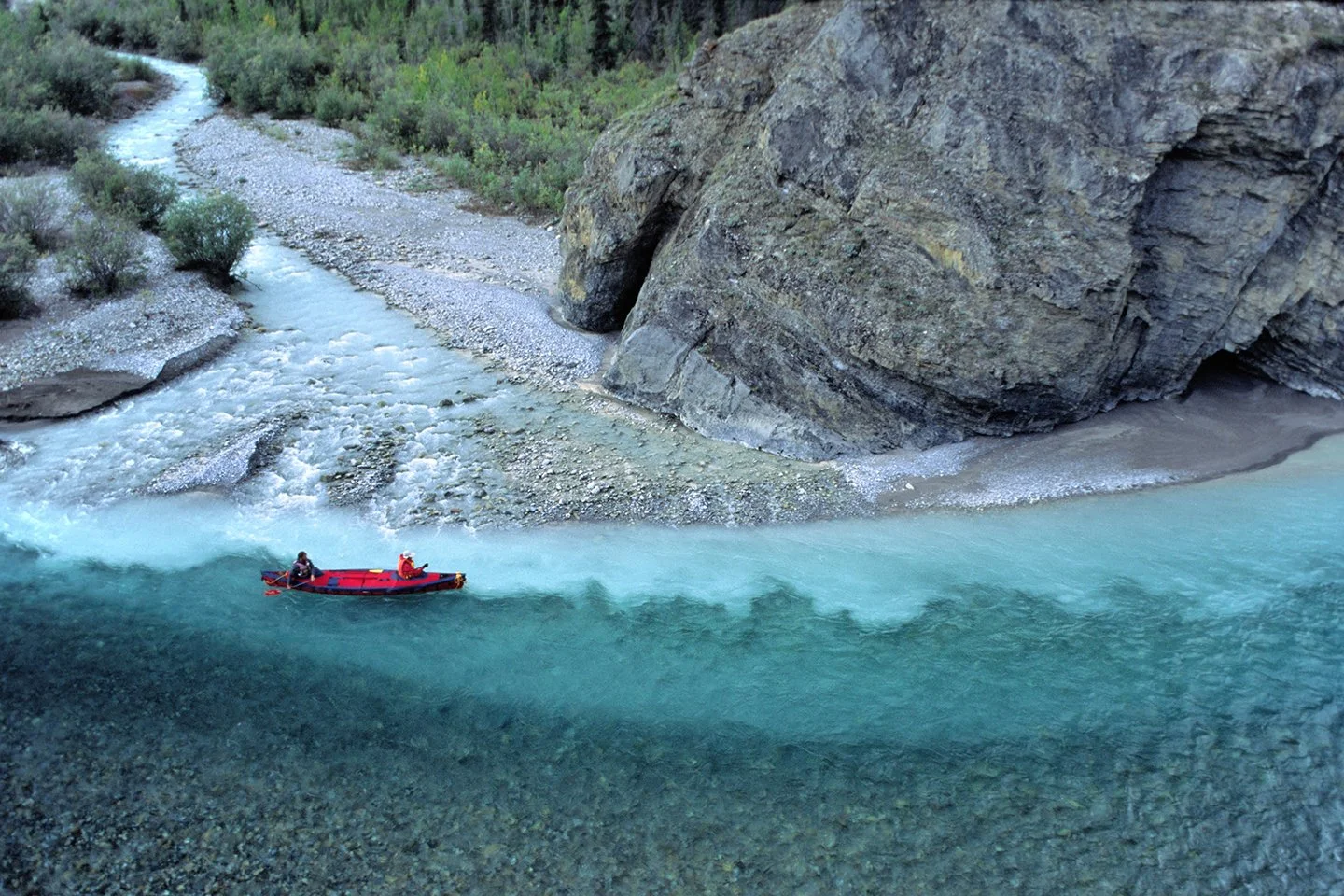
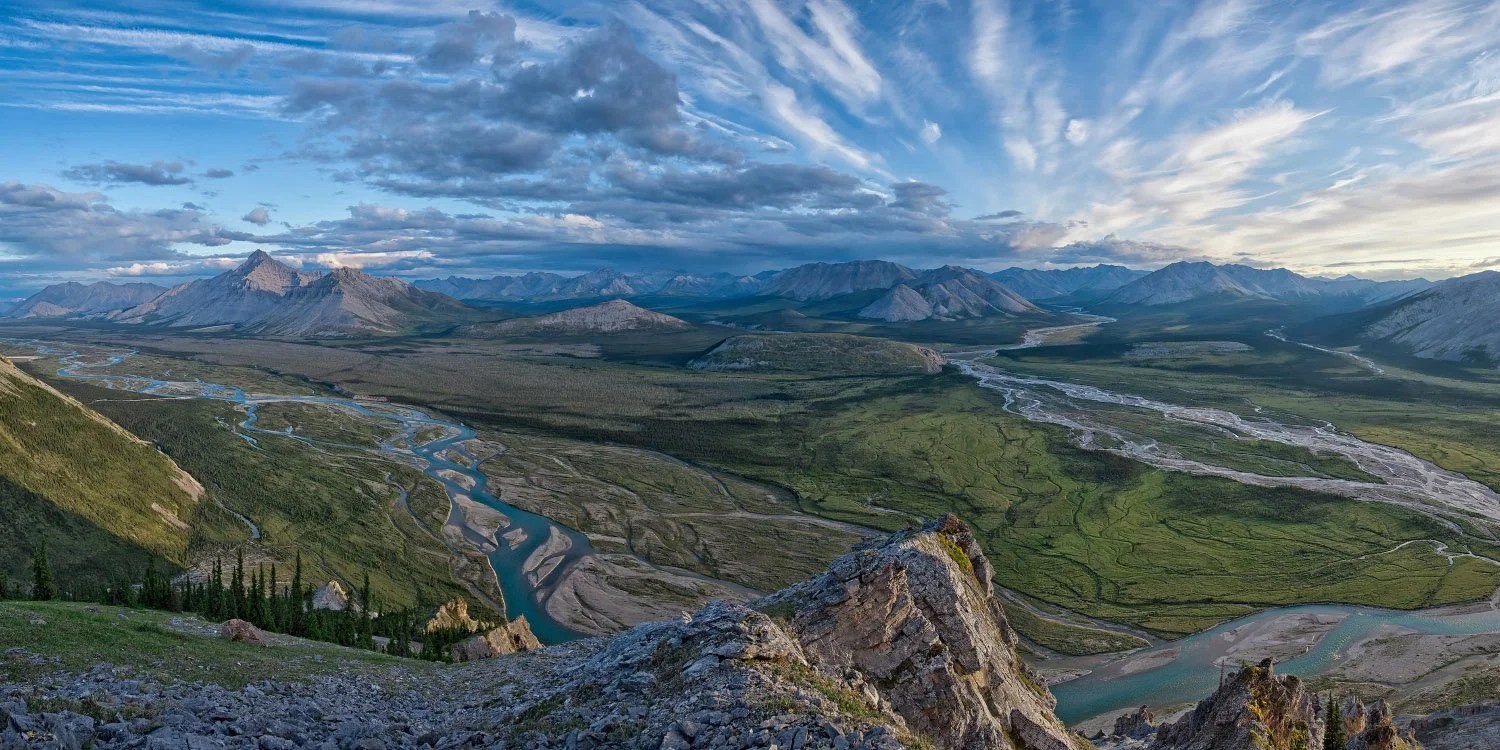
The Peel is a watershed in the Yukon and one the most expansive wild places in the world.
For the four First Nations who call it home, the clear rivers and majestic mountains of the Peel have provided physical and cultural nourishment since time immemorial. But in the early 2000s its sacred waters and 68,000 square kilometres of rugged northern beauty were threatened by economic development and mining. This website chronicles the fight to protect and preserve the Peel.

The Peel Watershed is a land of wild rivers and breathtaking mountains. The watershed straddles nearly 70,000 square kilometers of the northeastern Yukon, encompassing the territories of the First Nation of Na-Cho Nyäk Dun, the Tr’ondëk Hwëch’in, the Vuntut Gwitchin, and the Teetl'it Gwich’in.

The Peel is now protected through a historic land use plan, but for years, the Yukon government pushed for a plan that would have ignored the wishes of Yukoners and Peel Nations, and ushered in industrial development across the watershed. This website chronicles the efforts to Protect the Peel – from the first calls for protection in the community halls of Mayo, Fort McPherson, Dawson City and Old Crow, all the way to the Peel’s hearing before the Supreme Court of Canada.

Throughout the campaign, CPAWS Yukon and the Yukon Conservation Society used a website to keep Yukoners informed through the many years of consultations, as well as on every twist and turn of the three court cases. The site is now an archive of the campaign. It is up to date only as far as August 22nd, 2019, when the Peel Watershed Land Use Plan was officially signed into being. For updates on developments since, please follow CPAWS Yukon and the Yukon Conservation Society.

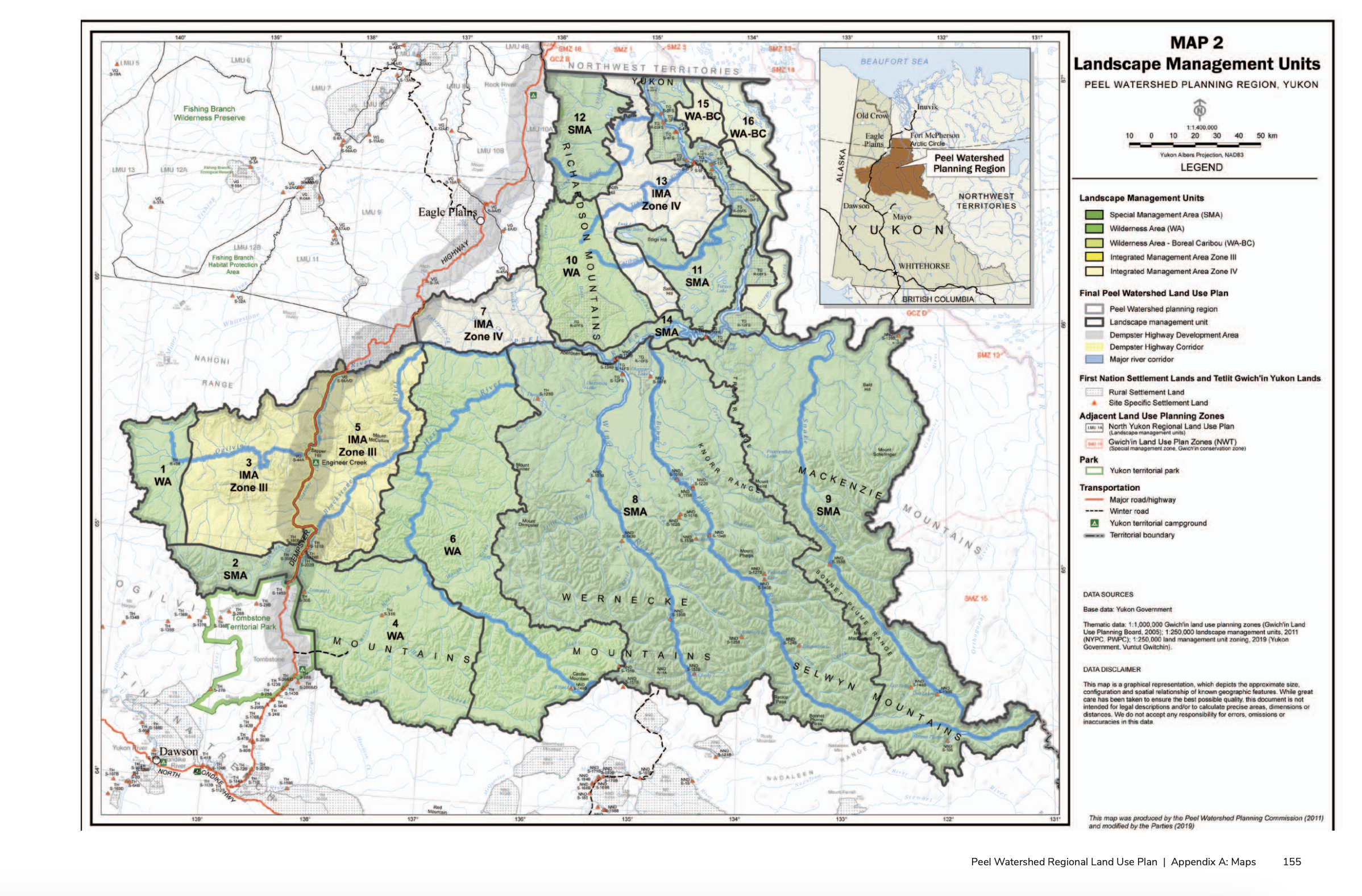
Where Is The Peel
The Peel Watershed is a land of wild rivers and breathtaking mountains. The watershed straddles nearly 70,000 square kilometers of the northeastern Yukon, encompassing the territories of the First Nation of Na-Cho Nyäk Dun, the Tr’ondëk Hwëch’in, the Vuntut Gwitchin, and the Teetl'it Gwich’in.
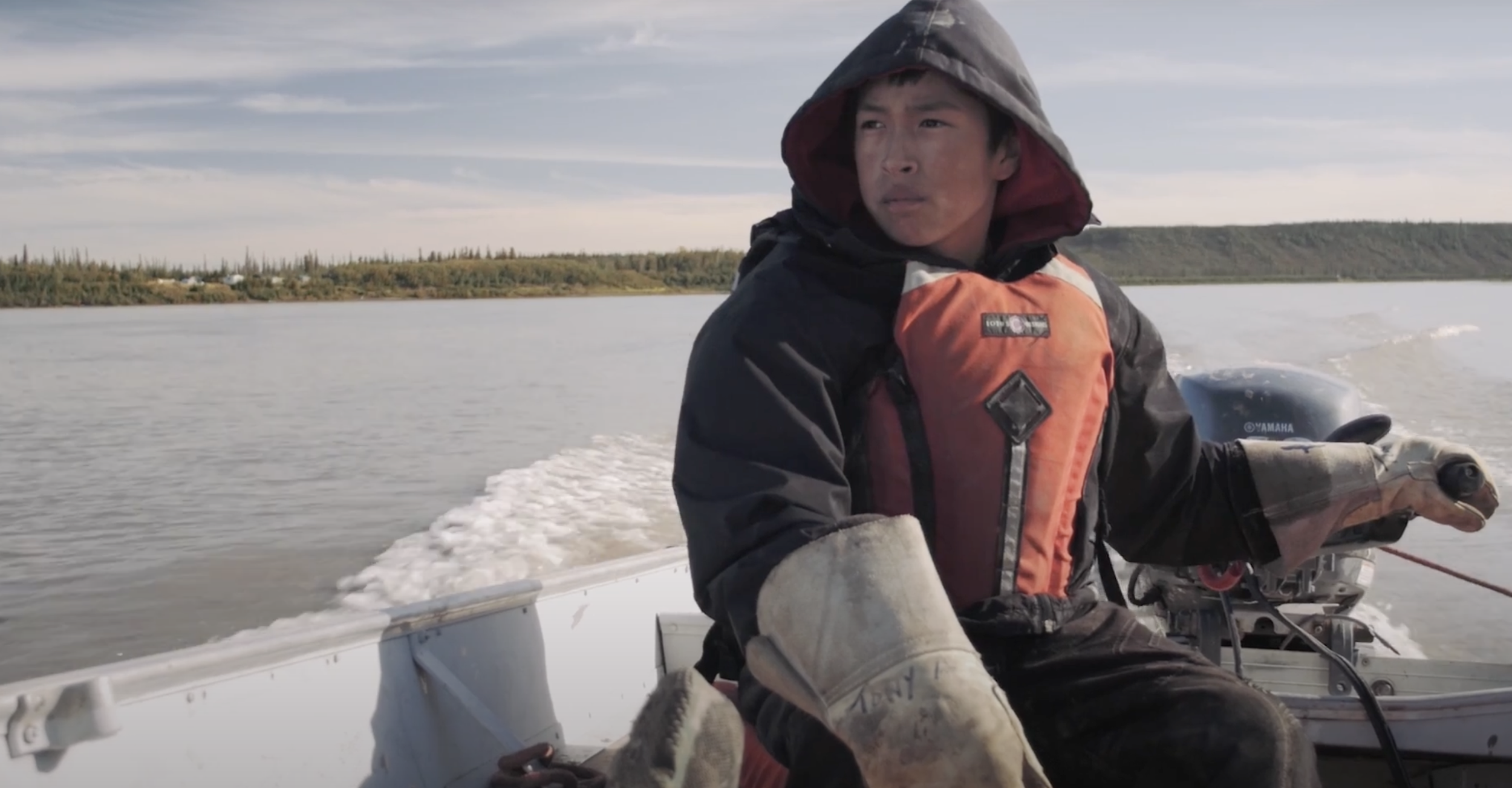

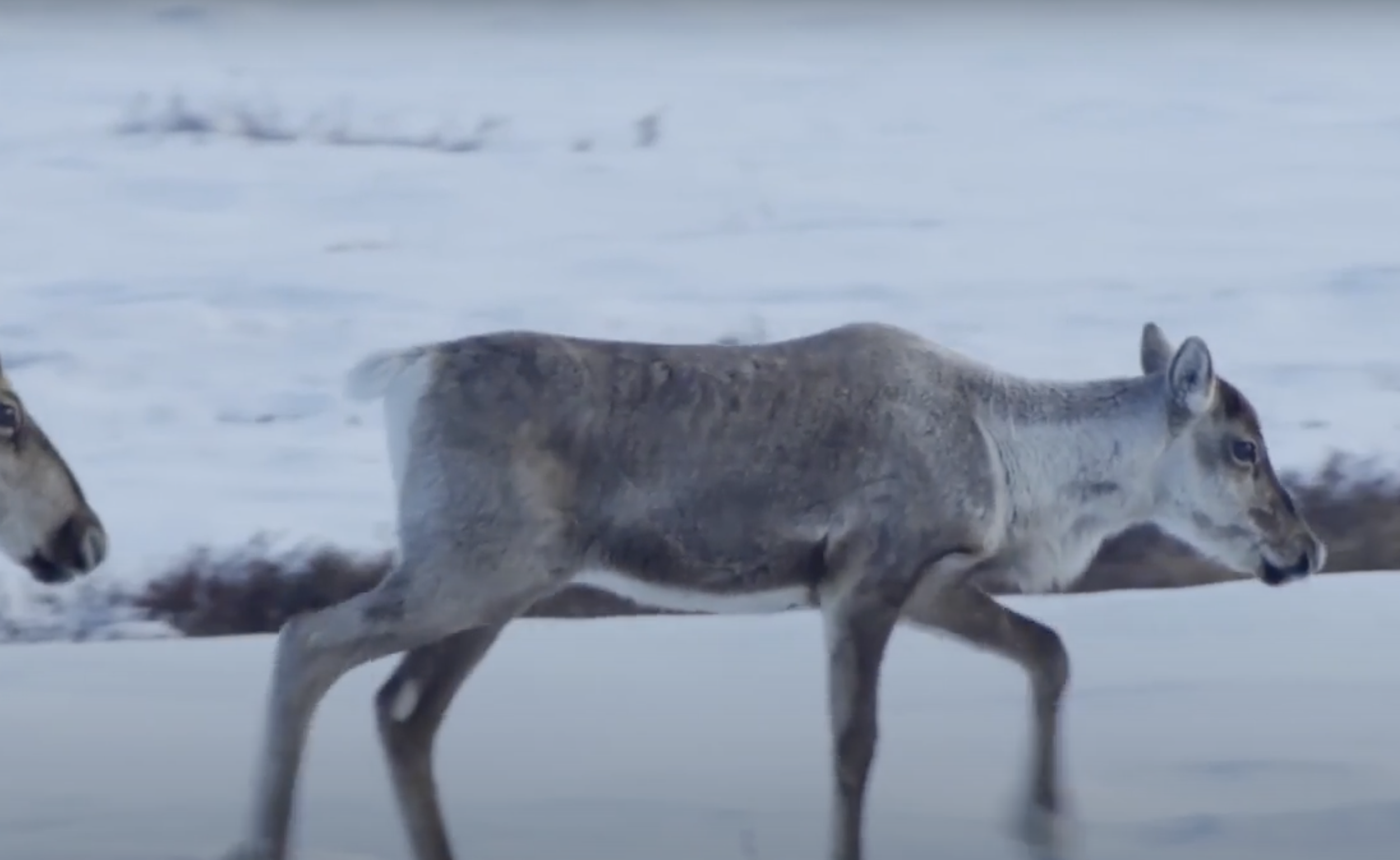
Headwaters of the Wild
National Geographic filmmaker Andy Maser’s film created in partnership with CPAWS Yukon during the International League of Conservation Photographers expedition into the Peel Watershed in the summer of 2014.
David Suzuki explores the Peel Watershed
David Suzuki travels on the watershed's Hart river and reflects on the significance of this wilderness.
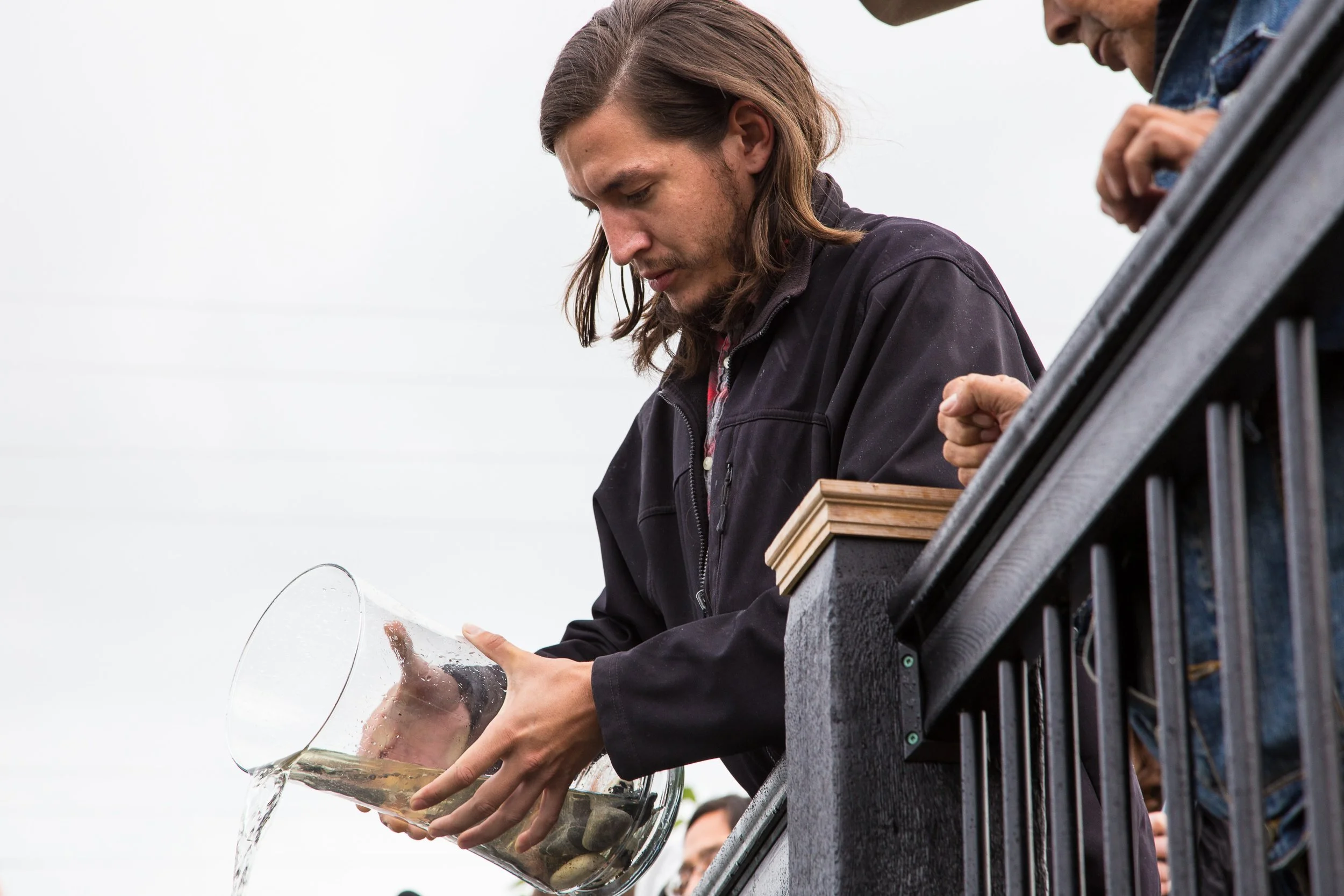
Water Ceremony for the Peel
A film by Marty O'Brien, produced on behalf of the First Nations and conservation groups during the Yukon Court of Appeal hearing.
“The environment is not for sale. And economic necessity will not supersede environmental destruction.”
— Simon Mervyn, Chief of the First Nation of Na-Cho Nyäk Dun

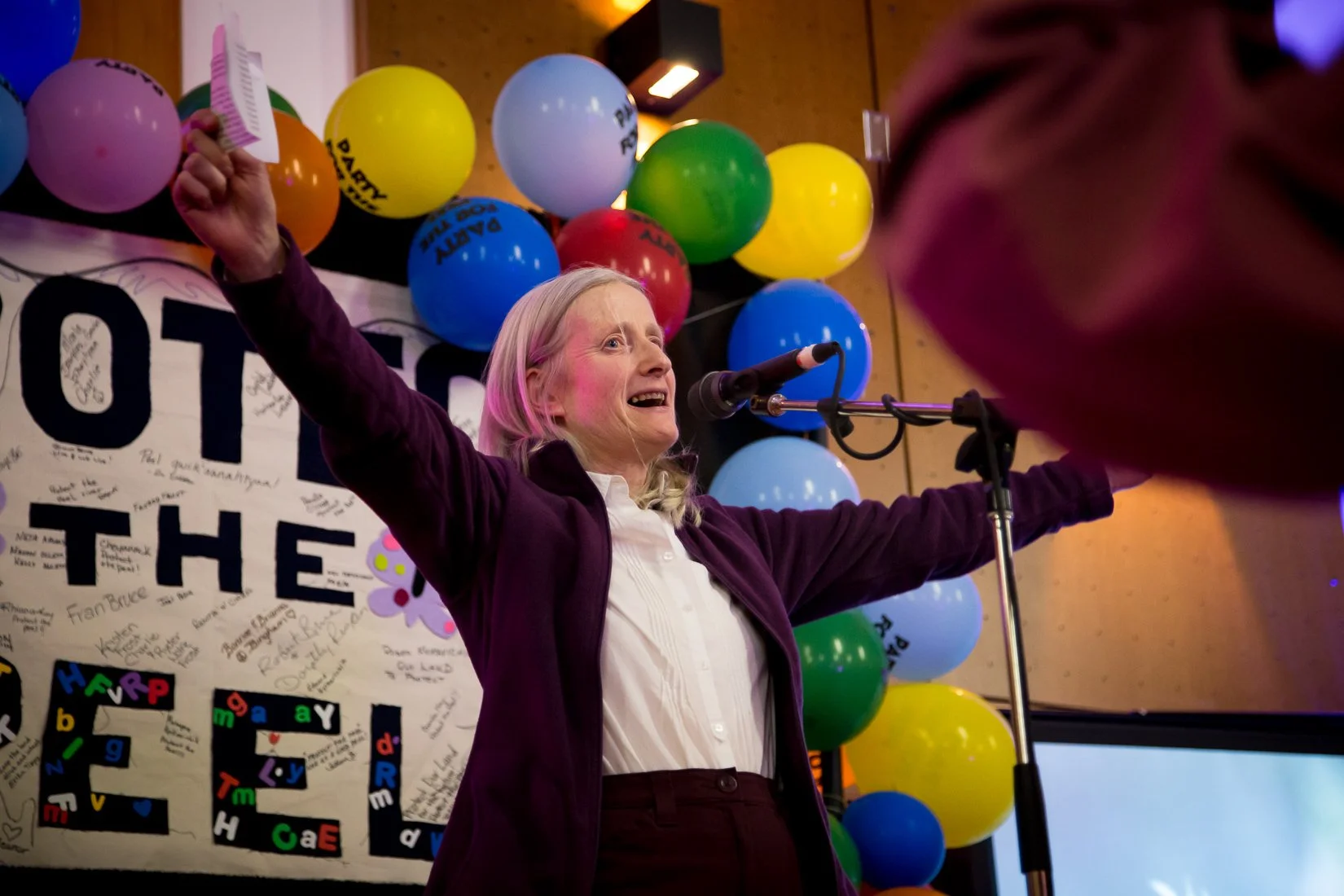
A Grassroots Campaign
From courtrooms to classrooms, from distant quiet rivers to busy city streets, the fight to protect the Peel relied on grassroots initiates to activate the community to take meaningful action.

“We will always work together for the children of tomorrow,”
— Chief Mervyn, quoting Elijah Smith
The Peel In The Media
The Walrus, March 21, 2017
A High-Stakes Land-Use Battle at the Pristine Heart of the Yukon
The National Observer, March 21, 2017 (written by Roberta Joseph, Chief of the Tr'ondëk Hwëch'in)
They're on the decades long road to protect a northern watershed from industry
The Globe and Mail, March 21, 2017 (written by Maude Barlow)
A Supreme Court ruling will determine how much we value our water
David Suzuki Foundation / Huffington Post, March 15, 2017
Intact Wilderness Is A Hedge Against Our Ignorance
VICE, March 22, 2017
The Fight to Protect This Swath of Wilderness Is Going to Canada’s Supreme Court
APTN, March 22, 2017
Yukon doesn't deserve a do-over on Peel Watershed agreement, Supreme Court told
Vancouver Sun, March 22, 2017
Half a century on, Tom Berger still battling for First Nations
CBC, March 22, 2017
First Nations, Environmentalists take fight for Peel Watershed to Supreme Court
Rabble, March 21, 2017
Yukon Supreme Court Case will set a key precedent for all First Nations
Campaign Timeline
-
The Umbrella Final Agreement between Yukon First Nations, the Yukon government, and the Government of Canada was finalized in 1990 and signed in 1993. The Nacho Nyäk Dun Final Agreement and the Vuntut Gwitchin Final Agreement were signed in 1993, and the Tr’ondëk Hwëch’in Final Agreement was signed in 1998.
-
From the mid-1990s to mid-2000s, CPAWS Yukon undertook biological surveys of the Peel Watershed and released several publications. In 2003, CPAWS Yukon created the Three Rivers Journey in the Peel Watershed, chronicled in an art show, book, and series of presentations across Canada.
-
Land Use Planning began for the Peel Watershed. The Peel Watershed Planning Commission was tasked with developing a recommended plan for land use in the watershed in consultation with the public, stakeholders, and plan partners.
-
The Draft Land Use Plan, released in early 2009, zoned half the watershed for industrial development; neither industry nor those who wanted protection were happy with this plan. The majority of Yukoners felt that the main priorities in the Peel should be the environment, wildlife, and wilderness protection. The Recommended Land Use Plan, released later in 2009, took a precautionary approach and protected 80% of the Peel from roads and industrial development, with a plan amendment needed to build roads in the remaining 20%.
-
In July 2011, the Final Recommended Land Use Plan was released, calling for 55% permanent protection and 25% interim protection to be decided upon in future plan reviews, with 20% open to roads and industrial development. In fall 2011, the Peel Watershed was the top issue in the territorial election, garnering local media coverage, public support, and candidate debate.
-
The Yukon government released new ‘principles’ for the Peel decision, which were vocally criticized by First Nations, ENGOs, the public, tourism and outfitting associations, among others. People filled the Legislature on opening and closing days to demand that the Peel and democracy be protected, and a youth protest briefly closed the Legislature. During final consultations, 94% of the 10,000+ submissions supported the Commission’s Final Recommended Plan, or complete protection for the Peel.
-
In January 2014, the Yukon government released its own plan opening up more than 71% of the Peel to roads and industrial development. Peel First Nations and Yukon conservation groups took the government to court. Unprecedented numbers of people observed the case in the Yukon Supreme Court, with a silent vigil, ceremonial fire, prayer circle, and other events taking place outside the court. In December, the court ruled that the Yukon government had violated the Land Use Planning process. The ruling quashed the Yukon government’s plan for the Peel and sent the planning process back to the final round of consultation, without the option for the Yukon government to introduce new modifications that would increase access and industrial development in the watershed.
-
The appeal was heard August 2015, accompanied by a water ceremony, rally, and gathering. The Yukon Court of Appeal upheld much of the previous ruling, but allowed the Yukon government to modify the Commission’s Final Recommended Plan to allow for more access and industrial development. The First Nations and conservation groups appealed to the Supreme Court of Canada.
-
In June 2016, the Supreme Court of Canada granted us leave to appeal our case, confirming that the Peel case is of national and public importance. A new Yukon government was elected in November 2016 with a pro-Peel platform, but the court case still went ahead to achieve certainty for future Land Use Planning in the Yukon. The Supreme Court of Canada heard the case on March 22, 2017.
-
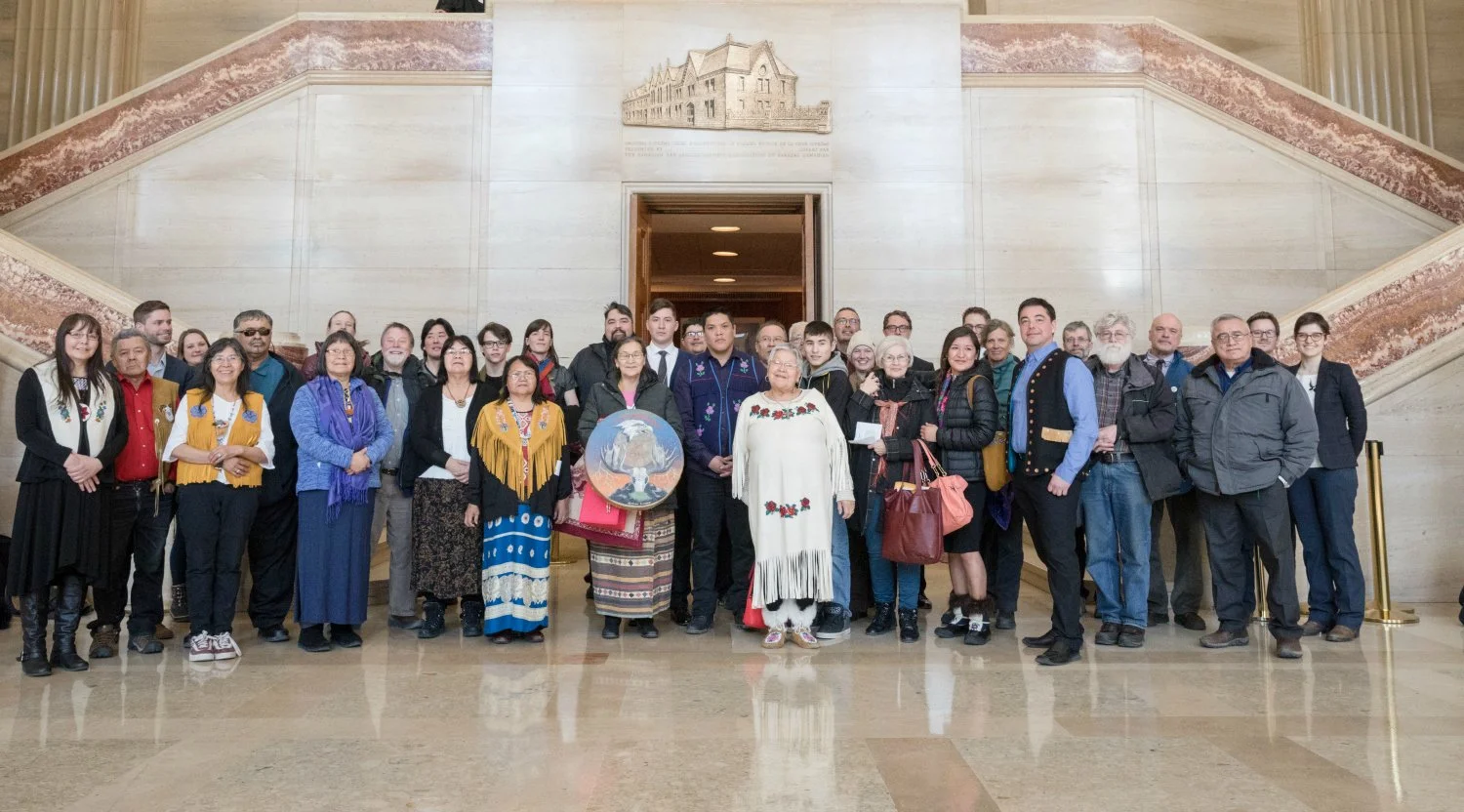
On March 22, World Water Day, the highest court in Canada heard the case in Ottawa. Close to 50 people from across the Yukon and representing all affected First Nations were in attendance for the landmark hearing that tested the integrity of the Yukon's Final Agreements. Renowned lawyer Thomas Berger made compelling arguments that the Yukon government should not be granted a do-over on a process in which it had every opportunity to participate fully and honestly. For reconciliation and for future land use planning, he argued, the process should be returned to the final stage of consultation, where the government would not be able to increase the amount of access and development in the Peel.
-
On Dec. 1, 2017, the Supreme Court ruled in our favour - a massive legal victory for the Peel Watershed and the integrity of the Yukon's Final Agreements. The decision meant the Yukon government had to complete the final stage of consultation for the Peel Watershed - rather than return to an earlier stage where it could introduce new modifications pertaining to access and development in the Watershed. The decision also limited the Yukon government's ability to modify or reject a plan at the final stage of the process.
-
Although we won our Supreme Court case and the Peel Watershed is much closer to being protected, we’re still a step away from full and legal protection for the watershed. The Supreme Court directed the Yukon government back to the stage of final consultations on the Final Recommended Plan - where we should have been years ago if the previous Yukon government had not derailed the land use planning process. First Nations have already met with the Yukon government to discuss next steps for final consultations.
-
The Peel Land Use Plan was officially signed during a Water Ceremony held in Mayo, on August 22nd, 2019. Representatives from the First Nation of Na-cho Nyäk Dun, Tr’ondëk Hwëch’in, Vuntut Gwitchin, Gwich’in Tribal Council, the Yukon government, and the Government of Canada brought vials of water from different rivers across the North, and merged the water together as they signed their names to the landmark land use plan.